
 English
 русский
 Español
 Deutsch
 عربى
عربى
 0
0

Стоит ли покупать измельчители Micro-Cut? Комплексный обзор и анализ
Content
- 1 Что такое Микро-измельчитель и как это работает?
- 2 Микро и измельчитель поперечной резки: каковы основные различия?
- 3 Реальная угроза кражи личных данных: почему важен уровень безопасности
- 4 Лучшие измельчители с микронарезкой, которые стоит купить в 2026 году
- 5 Пакеты для измельчения бумаги: забытый аксессуар, который имеет большое значение
- 6 Измельчитель ткани: когда измельчители выходят за рамки бумаги
- 7 Ножницы для измельчения бумаги: недорогой дополнительный вариант
- 8 Как использовать и обслуживать измельчитель Micro-Cut
- 9 Шредер Micro-Cut против профессиональных услуг по измельчению: что более рентабельно?
- 10 Шесть ключевых факторов, которые следует учитывать перед покупкой измельчителя с микрорезкой
- 11 Распространенные заблуждения относительно измельчителей с микроразрезом
- 12 Общий вердикт: стоят ли измельчители Micro-Cut того?
Итог вверху: Для большинства домохозяйств и предприятий, которые работают с конфиденциальными личными или финансовыми документами, микроизмельчители абсолютно оправданы. Они предлагают значительно более высокий уровень безопасности, чем модели с полосовым или поперечным разрезом, а надбавка к цене намного меньше, чем ожидает большинство людей. Если вам интересно Стоит ли использовать измельчители для микронарезки? , краткий ответ — да, особенно если для вас важна защита от кражи личных данных.
Что такое Микро-измельчитель и как это работает?
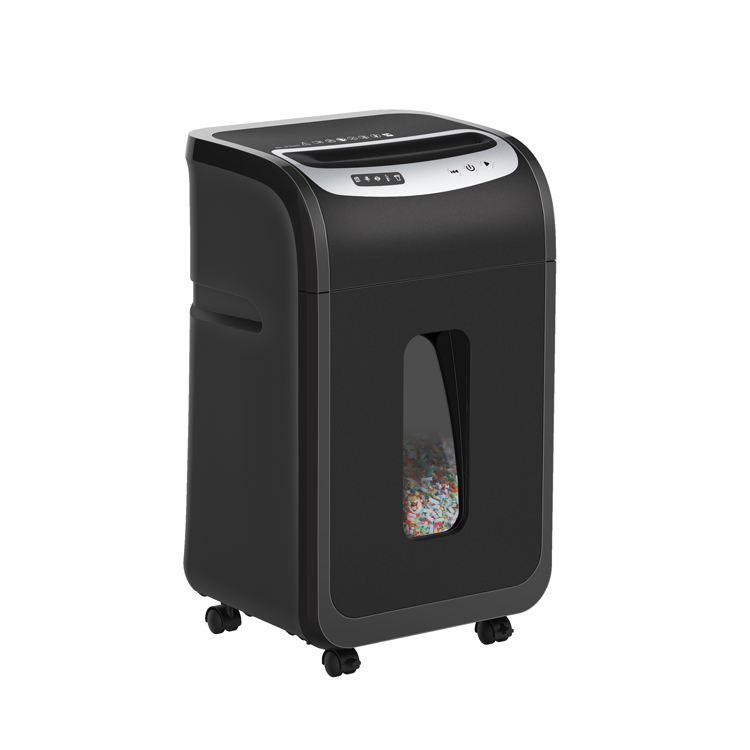
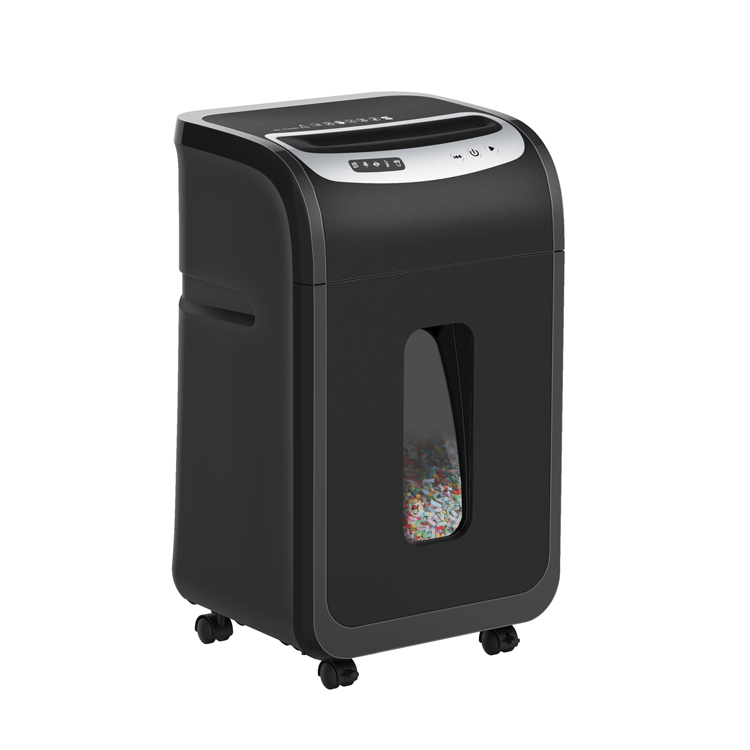
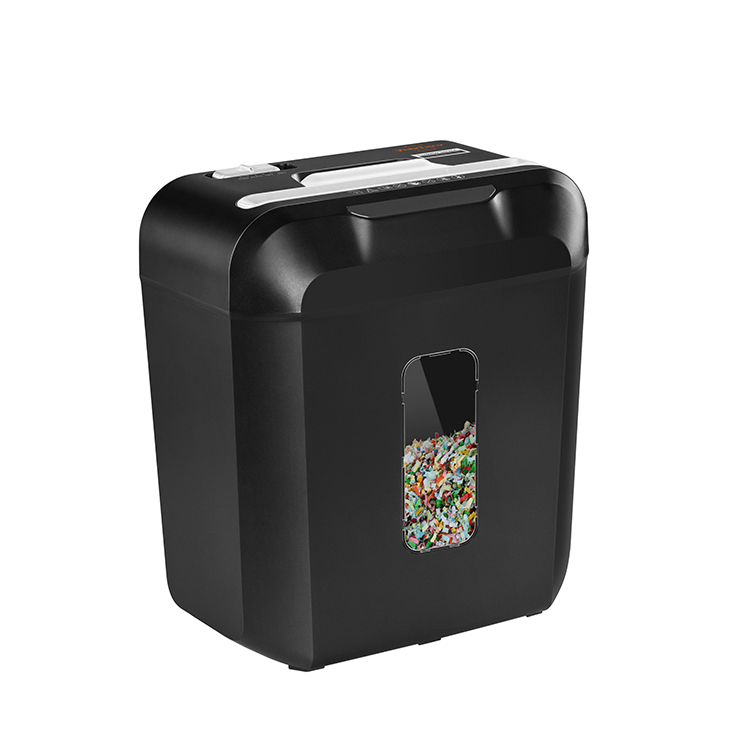
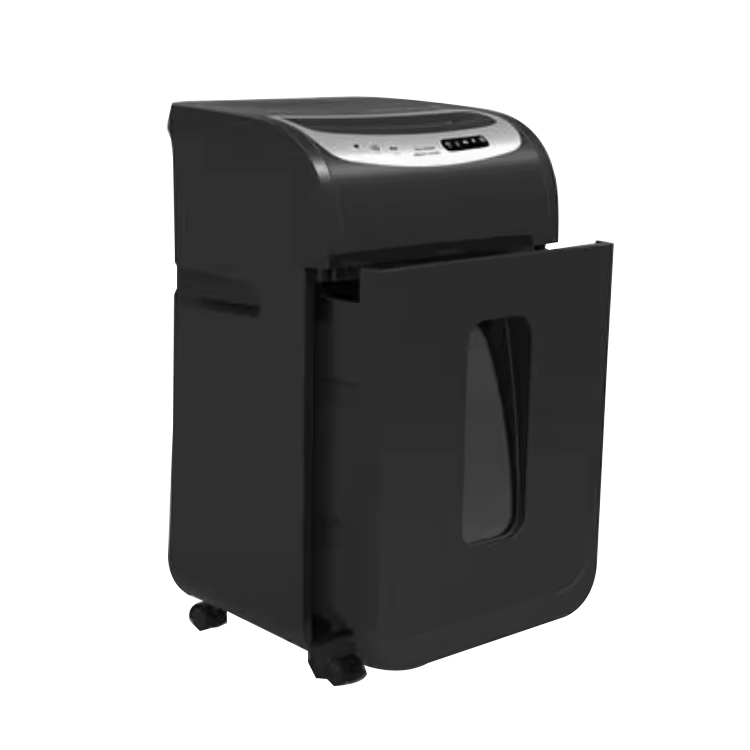
Уничтожитель микрореза — это устройство для уничтожения документов, в котором одновременно используются как вертикальные, так и горизонтальные лезвия, чтобы разрезать бумагу на чрезвычайно мелкие частицы — обычно около 2 мм × 15 мм или меньше — производят тысячи кусочков, похожих на конфетти, которые практически невозможно собрать заново.
Чтобы дать вам четкое представление о различиях в безопасности между методами уничтожения, вот сравнение того, что происходит со стандартным листом А4 при использовании разных типов уничтожения:
| Тип измельчителя | Штук на листе | Размер частиц (прибл.) | Уровень безопасности DIN | Риск реконструкции |
|---|---|---|---|---|
| Полосы | ~40 штук | 6 мм × 450 мм | С-2 | Высокий |
| поперечный разрез | ~200–400 штук | 4 мм × 40 мм | С-4 | Средний |
| микро-разрез | ~1000–3000 шт. | 2 мм × 15 мм | С-5 | Очень низкий |
| Нано / Высокая безопасность | 5000 штук | 0,8 мм × 4 мм | П-6/П-7 | Около нуля |
Как ясно видно из таблицы, измельчитель с микронарезкой превращает один лист формата А4 в более тысячи крошечных частиц — намного превосходит возможности станков полосовой или поперечной резки. Такой уровень точности делает ручную сборку совершенно непрактичной, и даже компьютерная реконструкция потребует огромных затрат времени и ресурсов.
Микро и измельчитель поперечной резки: каковы основные различия?
Наиболее распространенное решение, с которым сталкиваются покупатели на рынке измельчителей, — это выбор между микро и поперечный измельчитель . Оба являются станками двунаправленной резки, но они существенно различаются по безопасности, скорости, уровню шума и цене.
Безопасность
Уничтожители поперечной резки обычно достигают уровня DIN P-4, разрезая бумагу на кусочки размером примерно 4×40 мм. Хотя это значительно безопаснее, чем разрезание, терпеливый преступник все же может восстановить частичную информацию по кусочкам. Измельчители с микронарезкой соответствуют стандарту DIN P-5 или выше, с размером частиц около 2 мм × 15 мм, что обеспечивает Повышение безопасности в 5–10 раз .
Скорость и эффективность
Машины для поперечной резки обычно обрабатывают 8–12 листов в минуту , в то время как машины для микрорезки работают немного медленнее, примерно 5–8 листов в минуту из-за более плотной конфигурации лезвий. Однако при использовании дома или в небольшом офисе эта разница в скорости практически не влияет на практический опыт.
Разница в цене
При эквивалентных характеристиках машины для микрорезки обычно стоят на 20–40 % больше чем поперечные модели. Например, домашний измельчитель с поперечной нарезкой основного бренда продается по цене около 40–80 долларов, а версия с микронарезкой той же марки стоит 60–120 долларов. Разрыв больше для коммерческих моделей, но остается в разумных пределах.
Что выбрать?
- Выберите поперечный разрез для: повседневных офисных документов, общих квитанций и файлов, не содержащих конфиденциальной личной информации.
- Выберите микро-разрез для: банковских выписок, данных кредитной карты, медицинских записей, налоговых деклараций и копий документов, удостоверяющих личность.
- Выберите Высокий уровень безопасности (P-6/P-7) для: секретных правительственных файлов и документов, находящихся в распоряжении военных или финансовых учреждений.
Реальная угроза кражи личных данных: почему важен уровень безопасности
Многие люди недооценивают угрозу безопасности, которую представляют выброшенные бумажные документы. По данным Федеральной торговой комиссии США (FTC), более 14 миллионов американцев ежегодно становятся жертвами кражи личных данных , причем значительная доля случаев связана с нырянием в мусорные контейнеры — преступники роются в мусоре в поисках документов, содержащих личную информацию.
Банковская выписка, измельченная на машине для резки, терпеливый вор может собрать ее заново всего за несколько минут. от 15 до 30 минут . Тот же документ, измельченный с помощью микрорезака, занял бы у профессионала сотни часов с использованием компьютерных инструментов — или был бы совершенно невозможен для восстановления. Это самый убедительный ответ на вопрос Стоит ли использовать измельчители для микронарезки? .
К наиболее распространенным типам документов, которые всегда следует подвергать микроразрезанию, относятся:
- Выписки из банковского счета и счета по кредитным картам
- Документы, содержащие номера социального страхования (SSN)
- Медицинская страховка и рецептурные записи
- Годовые налоговые декларации
- Распечатанные файлы, содержащие пароли или номера счетов.
- Копии старых паспортов и фотокопии водительских прав.
- Контракты и юридические документы
Лучшие измельчители с микронарезкой, которые стоит купить в 2026 году
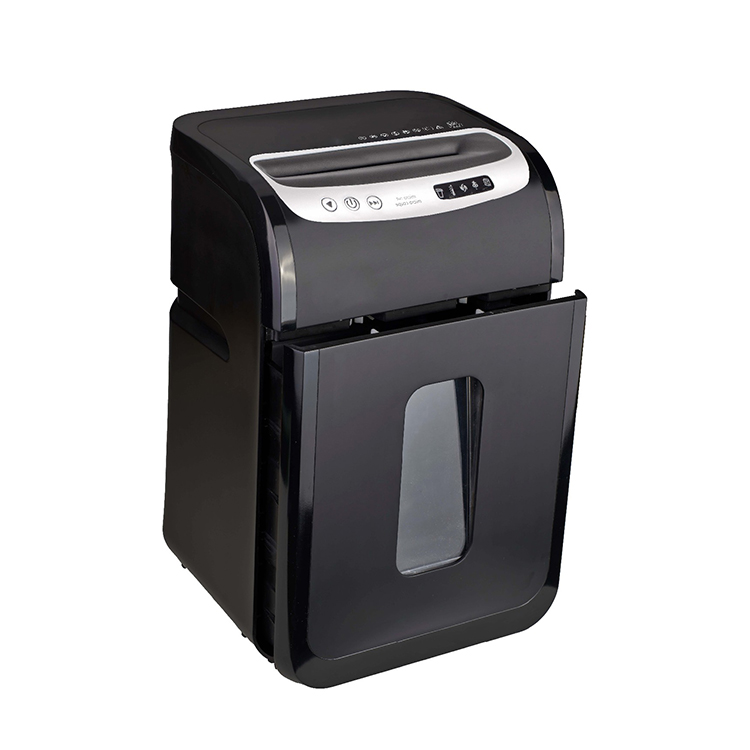
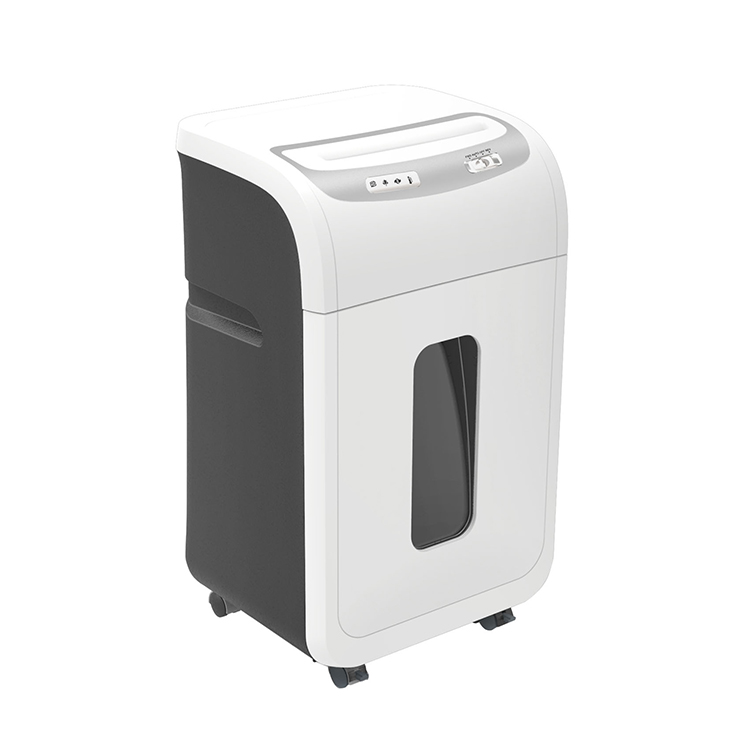
Вот некоторые из наиболее популярных моделей измельчителей с микронарезкой, доступных в 2026 году и предназначенных как для домашнего, так и для коммерческого использования:
Рекомендации по домашнему использованию
- Fellowes Powershred 79Ci : измельчает до 12 листов одновременно, оснащен технологией защиты от замятия SafeSense, продается по цене примерно 90–110 долларов США. Лучший выбор для домохозяйств.
- AmazonBasics Микрообрезка на 12 листов : Отличная цена, около 60 долларов, хорошо подходит для легкого личного использования.
- Бонсай C169-D : Обеспечивает до 60 минут непрерывной работы с контейнером емкостью 7,9 галлона по цене около 75 долларов США — идеально подходит для семей с большими объемами измельчения.
Рекомендации по коммерческому использованию (лучшие коммерческие измельчители бумаги)
При выборе лучшие измельчители коммерческой бумаги для офисных помещений ключевыми факторами являются емкость листов, возможность непрерывной работы и объем лотка. Вот сравнение ведущих коммерческих моделей с микровырезом:
| Модель | Емкость листа | Рабочий цикл | Объем бункера | Ценовой диапазон |
|---|---|---|---|---|
| Fellowes Powershred 99Ci | 18 листов | Непрерывный | 16 галлонов | 300–350 долларов |
| Рексель Авто 600М | 600 листов (автоподача) | Непрерывный | 40 литров | 400–500 долларов |
| Уничтожить 2360 SMC | 20 листов | Непрерывный | 23 галлона | 600–800 долларов |
| HSM БЕЗОПАСНОСТЬ B34 | 25 листов | Непрерывный | 28 литров | 450–550 долларов США |
Для коммерческих покупателей наиболее важными моментами являются возможность непрерывной работы (требуется ли машине перерывы на охлаждение) и функция автоматической подачи (что может значительно сократить время работы оператора). Например, конструкция автоматической подачи Rexel позволяет пользователям загружать сотни листов, уходить и возвращаться, чтобы найти все уже измельченным.
Пакеты для измельчения бумаги: забытый аксессуар, который имеет большое значение
Многие покупатели полностью сосредотачиваются на самом измельчителе и упускают из виду ценность подходящих аксессуаров, особенно пакеты для измельчения бумаги . Хотя это может показаться незначительной деталью, использование правильных сумок дает несколько существенных преимуществ:
- Предотвратить разброс частиц: Частицы, нарезанные микрочастицами, чрезвычайно мелкие и могут вытечь из обычных пакетов. Специально изготовленные мешки для измельчения запечатаны и удерживают даже самую мелкую пыль.
- Защитите внутреннюю часть машины: Мешок правильного размера плотно прилегает к стенкам контейнера, предотвращая скопление остатков мусора в углах и продлевая срок службы машины.
- Упростите очистку: Просто вытащите запечатанный пакет, а не чистите незакрепленный мусорный бак — гораздо быстрее и чище.
- Поддержка соблюдения требований по переработке: Некоторые местные программы переработки требуют, чтобы измельченная бумага была упакована и запечатана. Использование специальных пакетов для уничтожения бумаги позволит вам соблюдать требования.
Приходят обычные пакеты для измельчения бумаги. 3-галлонные, 5-галлонные и 7-галлонные. размеры. Перед покупкой всегда проверяйте, что емкость соответствует контейнеру вашей машины. Такие бренды, как Fellowes, Rexel и Staples, предлагают совместимые варианты, которые обычно продаются упаковками по 50 штук по цене 10–20 долларов. Не заменяйте обычные пакеты для продуктов или мусора. — они редко подходят должным образом и склонны к разрывам, которые могут оставлять следы по всему салону машины.
Измельчитель ткани: когда измельчители выходят за рамки бумаги
В последние годы на рынке появилась отдельная категория машин — машина для измельчения ткани — разработан специально для текстиля, одежды и кожи, а не для бумаги. Хотя эти машины фундаментально отличаются от стандартного измельчителя, при покупке их часто путают с измельчителями бумаги, поэтому стоит провести четкое различие.
Основное использование измельчителя ткани
- Переработка старой одежды и отходов текстиля в ватин или наполнитель.
- Промышленная переработка текстильных отходов на производственных предприятиях
- Ремесленные применения, где измельченная ткань используется для изготовления тканых или набивных материалов.
- Уничтожение фирменных или идентифицирующих тканевых изделий, таких как униформа и шнурки для удостоверения личности.
Важно: для измельчения ткани нельзя использовать стандартные измельчители бумаги с микронарезкой. Текстильные волокна наматываются на лезвия и могут вызвать застревание или необратимое повреждение. Если вам необходимо уничтожить как бумажные, так и тканевые материалы, вам необходимо либо приобрести специальную машину для обработки нескольких материалов, либо использовать отдельные устройства для каждого материала.
Высокопроизводительные промышленные измельчители таких брендов, как WEIMA или Allegheny, могут одновременно обрабатывать бумагу, текстиль и легкие жесткие материалы, но цена этих устройств составляет от 2000 и 20 000 долларов и ориентированы в первую очередь на промышленных пользователей или крупных предприятий.
Ножницы для измельчения бумаги: недорогой дополнительный вариант
В ситуациях, когда требуется лишь небольшое количество документов или когда уничтожитель недоступен — ножницы для измельчения бумаги являются недорогой альтернативой, о которой стоит знать.
Ножницы для измельчения бумаги обычно имеют От 5 до 10 параллельных лезвий , позволяющий одним разрезом разделить лист на несколько полос одновременно — гораздо быстрее, чем обычными ножницами. Они продаются по цене примерно 8–20 долларов Они очень портативны, что делает их удобными для уничтожения гостиничных квитанций, посадочных талонов или других временных документов во время путешествия.
Однако ограничения ножниц для измельчения бумаги значительны:
- Низкий уровень безопасности — эквивалент P-2, не подходит для особо конфиденциальных документов.
- Очень низкая производительность — нецелесообразно для массового уничтожения.
- Лезвия тупятся при длительном использовании и требуют периодической замены.
- Не умеет обращаться с кредитными картами, оптическими дисками и другими небумажными материалами.
В целом, ножницы для измельчения бумаги лучше всего рассматривать как инструмент резервного копирования в дополнение к измельчителю , а не в качестве основного решения. Если вы регулярно уничтожаете 10 или более конфиденциальных документов в неделю, гораздо практичнее инвестировать в измельчитель начального уровня с микрорезкой.
Как использовать и обслуживать измельчитель Micro-Cut
Чтобы обеспечить надежную работу измельчителя микрореза в течение длительного времени, требуется постоянный уход. Вот наиболее важные методы обслуживания:
Регулярно смазывайте лезвия
В машинах для микрорезки используется большое количество плотно расположенных лезвий, которые создают значительное трение. Наносите специальное масло для измельчения каждый 30-50 часов использования . Некоторые бренды, в том числе Fellowes, предлагают предварительно смазанные листы смазки, которые вы просто загружаете в машину. Никогда не используйте WD-40 или смазочные материалы общего назначения — они могут повредить внутренние компоненты.
Загрузка контрольного листа
Даже если аппарат рассчитан на 10 листов, старайтесь подавать не более 7-8 листов за раз при регулярном использовании. Это снижает частоту заклинивания и значительно продлевает срок службы лезвия. Перегрузка является одной из наиболее частых причин выхода из строя шредера.
Соблюдайте время охлаждения
Большинство домашних измельчителей с микронарезкой оснащены система тепловой защиты который автоматически приостанавливает работу машины после 10–20 минут непрерывного использования. Коммерческие модели могут работать непрерывно, но все же желательно давать им время на отдых после длительного высокоинтенсивного использования. Для масштабных задач по измельчению выбирайте модель, специально рассчитанную на непрерывную работу.
Избегайте подачи неподходящих материалов
Некоторые машины для микрообрезки могут работать с кредитными картами и оптическими дисками, но используйте эти функции только в том случае, если ваша конкретная модель их явно поддерживает. Даже в моделях со скобами по возможности удаляйте металлические крепления, чтобы свести к минимуму износ лезвия. Никогда не подавайте ткань, влажную бумагу или полиэтиленовые пакеты — эти материалы наматываются на лезвия и вызывают повреждения.
Своевременно опорожняйте мусорное ведро и используйте пакеты для уничтожения бумаги
Продолжение измельчения, когда бункер заполнен, приводит к блокировке выходного потока и увеличению нагрузки на двигатель. Опустошайте мусорное ведро, когда оно рядом заполнен на 80% и всегда используйте пакеты для измельчения бумаги, чтобы поддерживать чистоту внутри и облегчить утилизацию.
Шредер Micro-Cut против профессиональных услуг по измельчению: что более рентабельно?
Помимо прямой покупки шредера, сторонние услуги по уничтожению документов, предлагаемые такими компаниями, как Iron Mountain и Shred-it, предоставляют возможность получения или возврата документов на месте. Так чем же покупка измельчителя для микрореза отличается от использования профессионального сервиса?
| Фактор | Приобретение измельчителя Micro-Cut | Профессиональная услуга по измельчению |
|---|---|---|
| Первоначальная стоимость | 60–500 долларов (разовая покупка) | 0$ (без покупки оборудования) |
| Текущая стоимость | Масляные мешки, ок. 20–50 долларов в год | 50–300 долларов США за посещение (в зависимости от веса или частоты) |
| Безопасность Control | Полностью в ваших руках | Зависит от соблюдения требований третьей стороны |
| Удобство | Доступно в любое время, без расписания | Требует предварительной записи или выезда |
| Лучший том | Малый и средний (ежедневное использование) | Крупные разовые чистки |
| Свидетельство об уничтожении | Недоступно | Доступно по запросу (требуется некоторыми организациями) |
Вывод: Для домохозяйств и небольших офисов приобретение измельчителя с микроизмельчителем обеспечивает большую долгосрочную выгоду. Профессиональные услуги по уничтожению лучше подходят для единовременных крупномасштабных чисток архивов или для регулируемых отраслей, таких как здравоохранение и юриспруденция, где требуется формальный сертификат уничтожения в соответствии с требованиями, такими как HIPAA.
Шесть ключевых факторов, которые следует учитывать перед покупкой измельчителя с микрорезкой
Прежде чем разместить заказ, оцените эти шесть факторов в сравнении с фактическими потребностями использования, чтобы найти подходящую модель:
- Ежедневный объем измельчения: Если вы измельчаете менее 20 листов в день, достаточно домашней модели начального уровня. Для печати более 100 листов в день требуется коммерческое устройство или конструкция с автоматической подачей.
- Чувствительность документа: Для файлов, содержащих SSN, учетные данные или медицинскую информацию, всегда выбирайте компьютер с рейтингом P-5 или выше.
- Разнообразие материала: Если вам также необходимо уничтожить кредитные карты, оптические диски или USB-накопители, выберите модель, в которой явно заявлена поддержка нескольких материалов — эти функции обычно перечислены отдельно в технических характеристиках.
- Шумоустойчивость: Для офисов открытой планировки или общих жилых помещений ищите модели с рейтингом ниже. 70 децибел . Некоторые машины премиум-класса работают тихо, до 55 дБ.
- Емкость бункера: При домашнем использовании контейнер объемом 5–8 галлонов позволяет избежать слишком частого опорожнения. Коммерческие среды должны ориентироваться на 15 галлонов или более.
- Поддержка бренда и гарантия: Отдавайте предпочтение брендам, предлагающим как минимум 2-летняя гарантия с отзывчивой поддержкой клиентов — Fellowes (пожизненная гарантия на лезвия), Rexel и HSM — это хорошо зарекомендовавшие себя варианты.
Распространенные заблуждения относительно измельчителей с микроразрезом
Несколько устойчивых мифов заставляют покупателей принимать необоснованные решения. Вот самые важные заблуждения, которые следует прояснить:
Миф 1: Чем выше уровень безопасности, тем лучше
Шредеры P-7 обеспечивают исключительную безопасность, но они дороги (часто более 2000 долларов), медленны и созданы для правительственного или военного использования. Для подавляющего большинства домохозяйств и предприятий микрорезака П-5 уже более чем достаточно. — нет необходимости платить в несколько раз больше за уровень безопасности, который вам никогда не понадобится.
Миф 2: Измельченную бумагу нельзя переработать
Микроразрезанные кусочки бумаги по-прежнему представляют собой перерабатываемое бумажное волокно. Многие муниципальные программы переработки принимают измельченную бумагу, когда она упакована и запечатана. Использование пакетов для уничтожения бумаги означает, что ваши уверенно уничтоженные документы можно будет бросить прямо в мусорную корзину, обеспечивая одновременно безопасность и экологичность.
Миф 3: Машины для микрорезки всегда очень шумные
Более ранние модели с микроразрезом были особенно шумными из-за плотного расположения лезвий. Современная инженерия существенно изменила ситуацию. Многие современные модели работают на от 60 до 68 децибел — примерно эквивалентно обычному разговору, что делает их идеальными для использования дома или в офисе открытой планировки, не мешая другим.
Миф 4: Ножницы для измельчения бумаги могут заменить измельчитель
Как обсуждалось ранее, ножницы для измельчения бумаги обеспечивают ограниченную безопасность и низкую производительность. Они подходят только для периодического легкого использования с некритическими документами. Если у вас есть регулярная необходимость уничтожить чувствительный материал, специальный измельчитель незаменим.
Миф 5: Измельчители микрореза нужны только предприятиям
По мере роста масштабов мошенничества и кражи личных данных домохозяйства сталкиваются с растущей угрозой. Типичная семья производит свыше От 200 до 500 страниц документов, удостоверяющих личность, в год — банковские выписки, медицинские записи, налоговые формы и многое другое — все это представляет реальную угрозу безопасности, если его небрежно выбросить. Вопрос о Стоит ли использовать измельчители для микронарезки? в равной степени относится и к домашним пользователям, и доступные домашние модели широко доступны.
Общий вердикт: стоят ли измельчители Micro-Cut того?
Объединив все, что описано в этом обзоре, можно увидеть, как измельчители с микронарезкой оцениваются по пяти ключевым параметрам:
| Размерность | Оценка | Примечания |
|---|---|---|
| Безопасность | 9,5 / 10 | Намного превосходит полосовую и поперечную резку; реконструкция практически невозможна |
| Соотношение цены и качества | 8,0 / 10 | На 20–40 % дороже, чем поперечная резка, но повышение безопасности существенное. |
| Простота использования | 8,5 / 10 | Простота в эксплуатации; немного медленнее, чем поперечный разрез, но на практике незначительно |
| Стоимость обслуживания | 8,0 / 10 | Периодическая смазка и использование мешков для измельчения сводят ежегодное техническое обслуживание к минимуму. |
| Долгосрочная рентабельность инвестиций | 9,0 / 10 | Один случай кражи личных данных обходится гораздо дороже, чем любой шредер на рынке. |
Общая оценка: 8,6/10. Независимо от того, оцениваете ли вы шредеры с микрорезами по безопасности, стоимости или удобству, вывод одинаков: они являются настоятельно рекомендуемым инструментом защиты документов. По сравнению с обрезкой полос или использованием только ножниц для измельчения бумаги, микроразрез представляет собой настоящий скачок в защите. По сравнению с профессиональными услугами по измельчению они предлагают непревзойденное повседневное удобство за небольшую часть долгосрочных затрат.
При взвешивании микро и поперечный измельчитель вопрос, содержат ли ваши документы какую-либо личную информацию, финансовые данные или конфиденциальный деловой контент, измельчитель с микронарезкой — более разумный выбор . Скромные дополнительные затраты обеспечат вам настоящую, значимую безопасность — и это инвестиция, которую заслуживает каждый человек, заботящийся о конфиденциальности.


-
 №599, улица Цимин, инкубационный центр Иньчжоу, Нинбо, Китай
-
 +86-574-55665196
-
 [email protected]
Авторское право © Ningbo Ofitech Business Machines Co., Ltd. Все права защищены.
 Производители машин для уничтожения бумаги OEM/ODM